Every home renovation comes with decisions about style, especially when a property has existing character that homeowners want to retain. This project in Droitwich Spa shows how a considered approach to windows and doors can respect the traditional appearance of a home while introducing modern design where it suits the space.
The result is a balanced transformation that works with the building rather than against it, with a traditional front elevation and a more contemporary rear designed around light and open living.
Front elevation: preserving traditional character
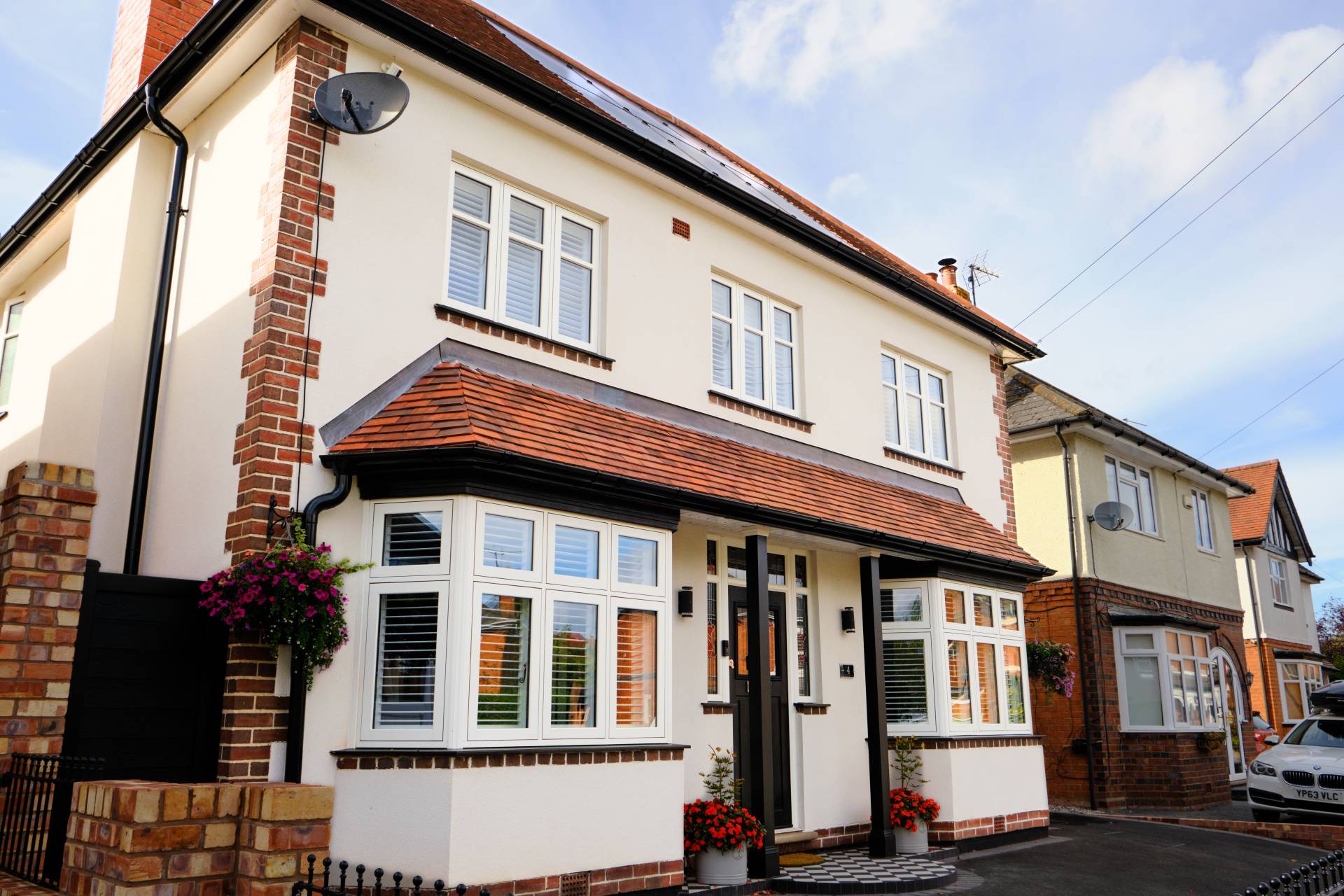
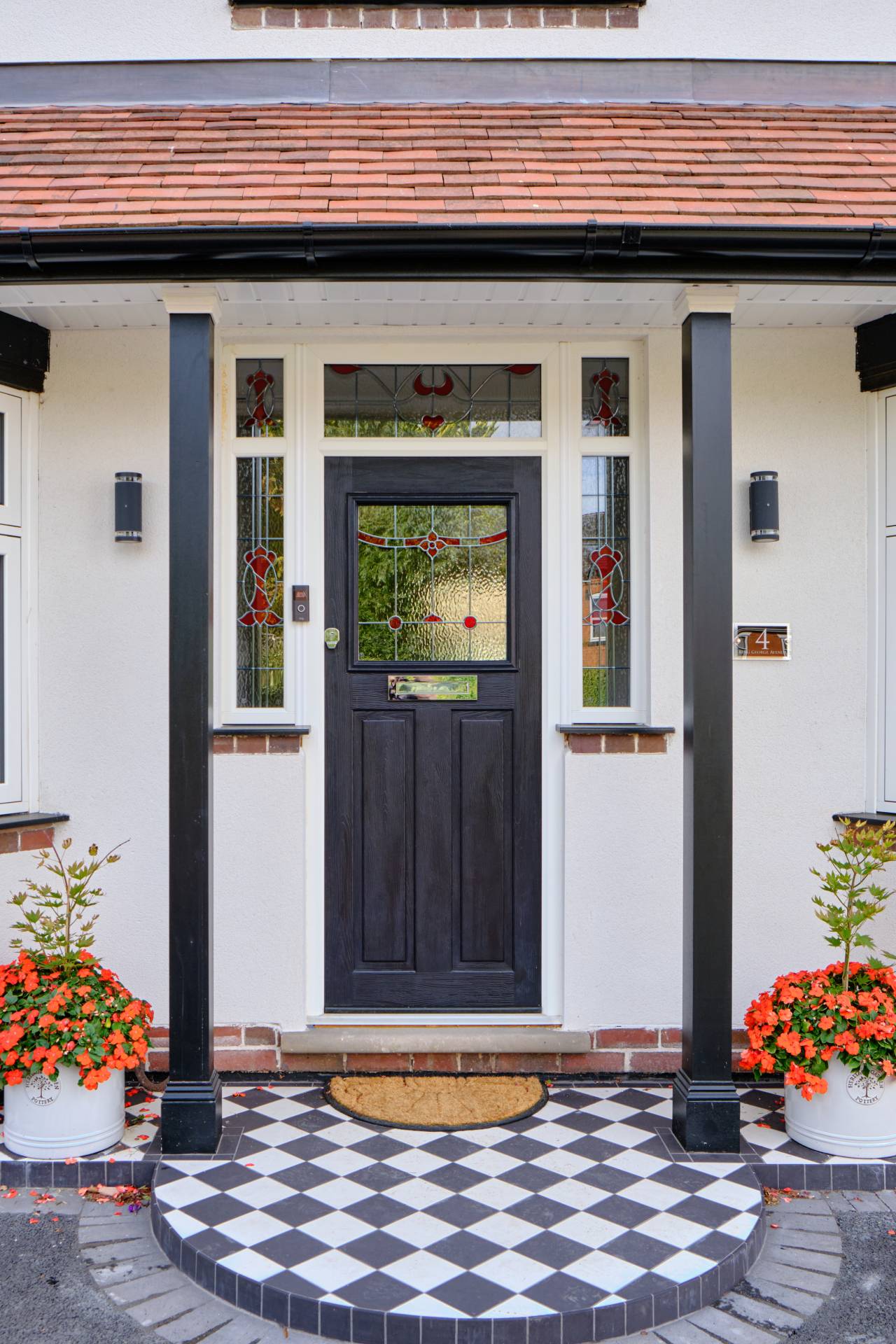
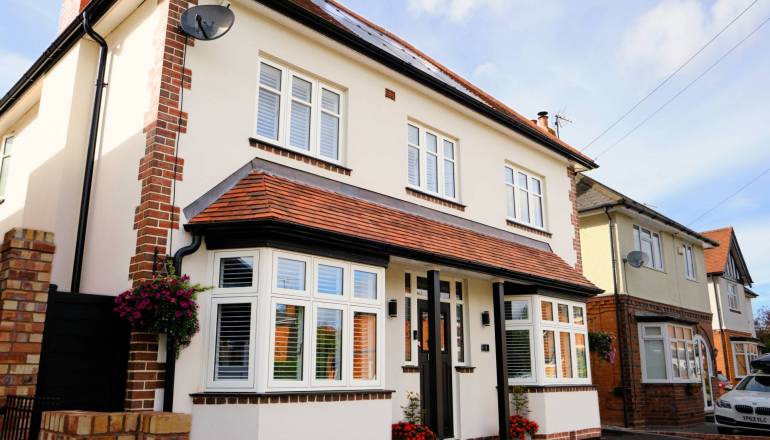
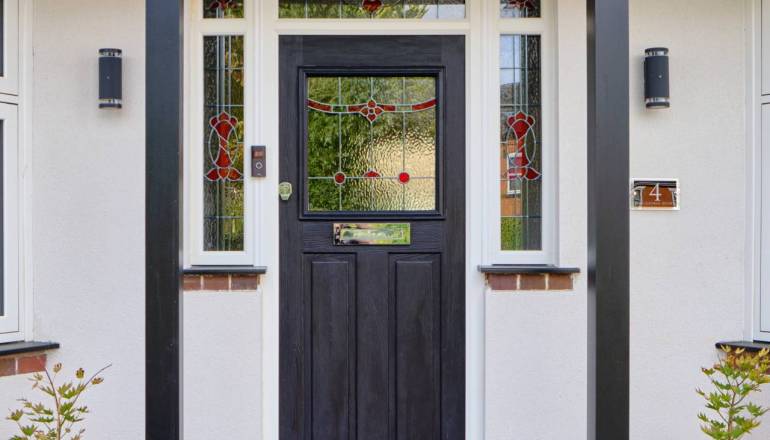
At the front of the property, the priority was to maintain the home’s original character while improving performance and efficiency. The existing style of the building called for something that would sit naturally within its surroundings and not appear out of place.
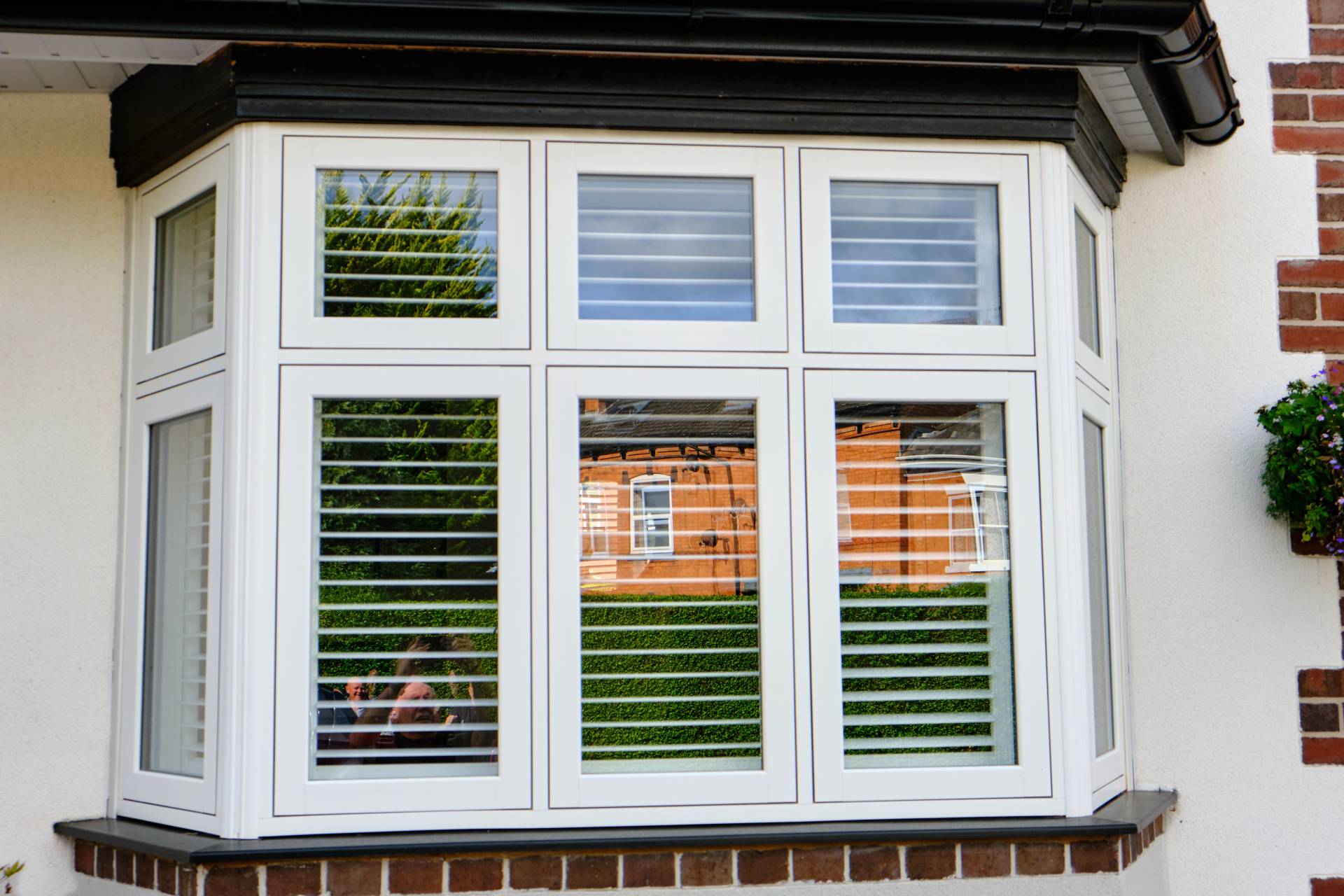
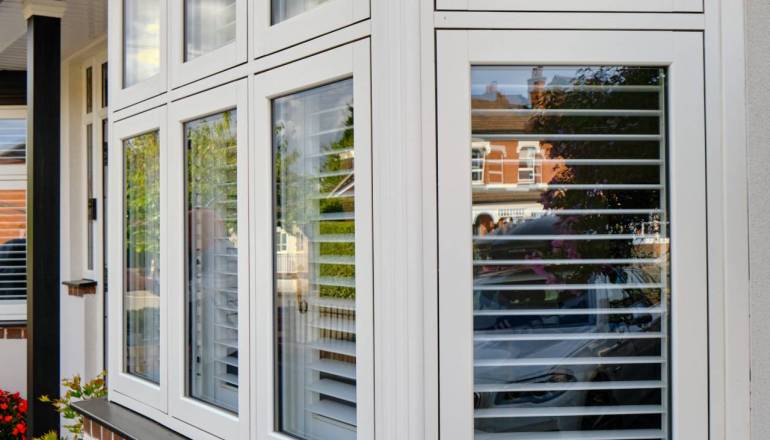
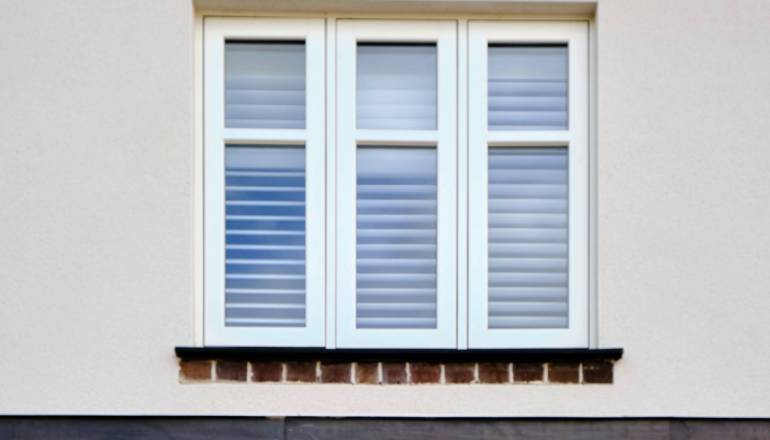
To achieve this, white ash flush casement windows were selected. The flush finish allows the frames to sit neatly within the opening, creating a subtle appearance that closely reflects traditional timber windows. This makes them particularly well suited to homes where maintaining a period or classic look is important.
The overall aim at the front was not to change the character of the property, but to enhance it. The new windows provide a refreshed appearance while keeping the original feel of the home intact.
White ash flush casement windows
The choice of white ash finish played an important role in achieving the right balance. The soft woodgrain effect adds depth and texture without overpowering the design, helping the windows blend into the existing brickwork and façade.
Flush casement windows are often chosen for renovation projects like this because they offer a traditional look combined with modern materials and performance. They provide improved insulation and security while reducing the maintenance associated with older timber frames.
In this project, they helped ensure the front of the home remained in keeping with the street scene while still benefiting from modern upgrades.
Rear elevation: A move towards contemporary living
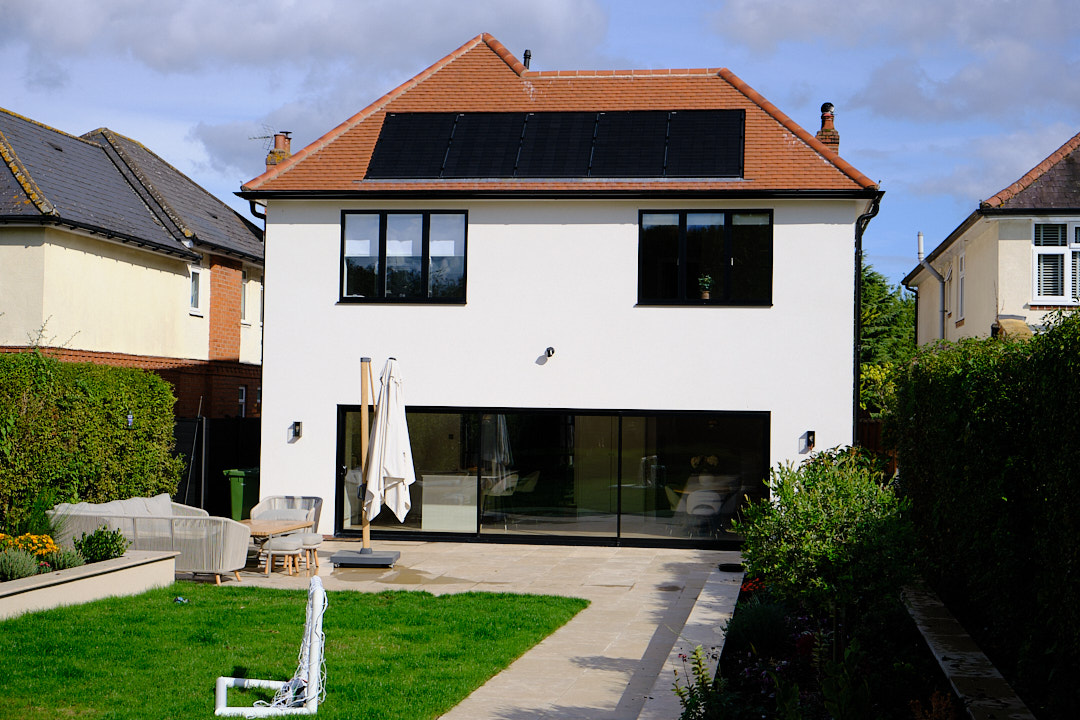
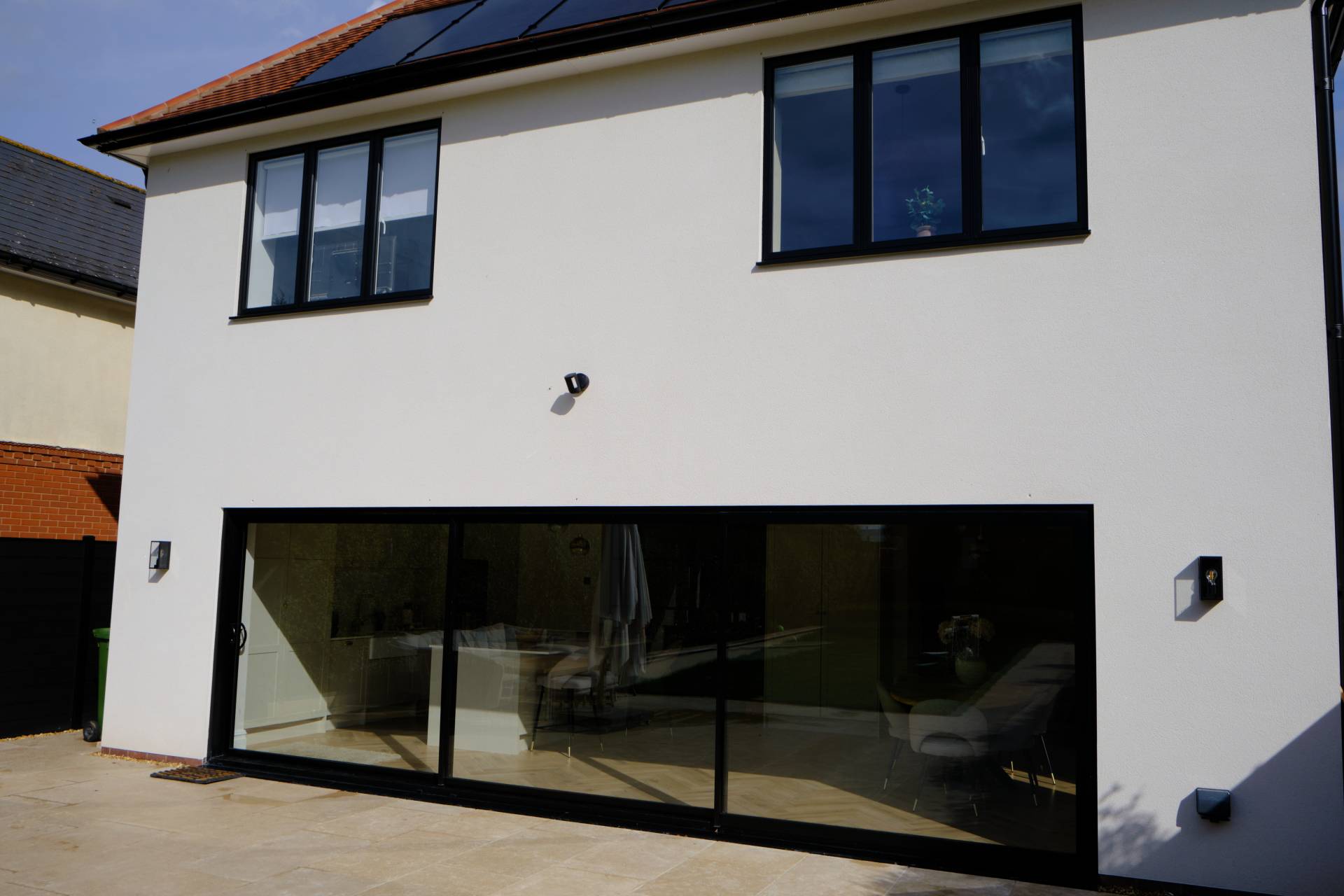
The rear of the property was approached in a very different way. Here, the focus was on creating a brighter, more open living space that connects better with the garden.
The homeowners wanted to increase natural light and improve the flow between indoors and outdoors. This part of the project allowed for a more contemporary design approach, introducing larger glazed areas and cleaner architectural lines.
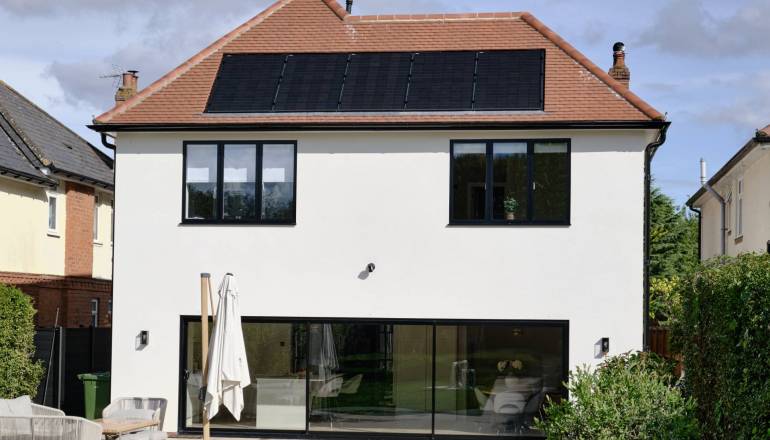
The result is a rear elevation that feels open and modern, providing a contrast to the traditional styling at the front while still sitting comfortably within the overall design of the home.
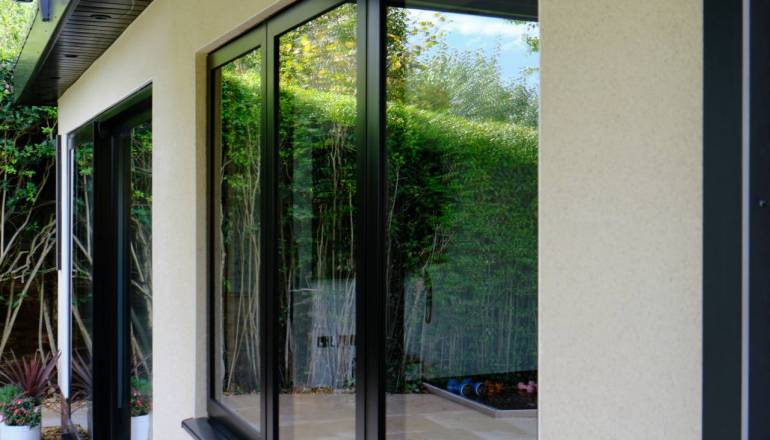
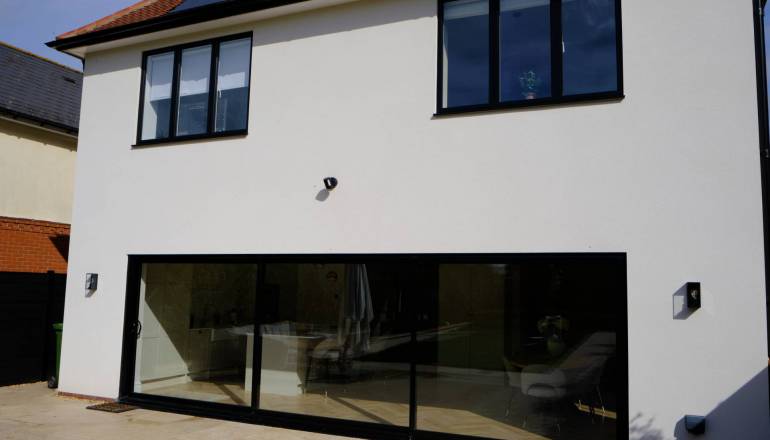
Black aluminium sliding doors
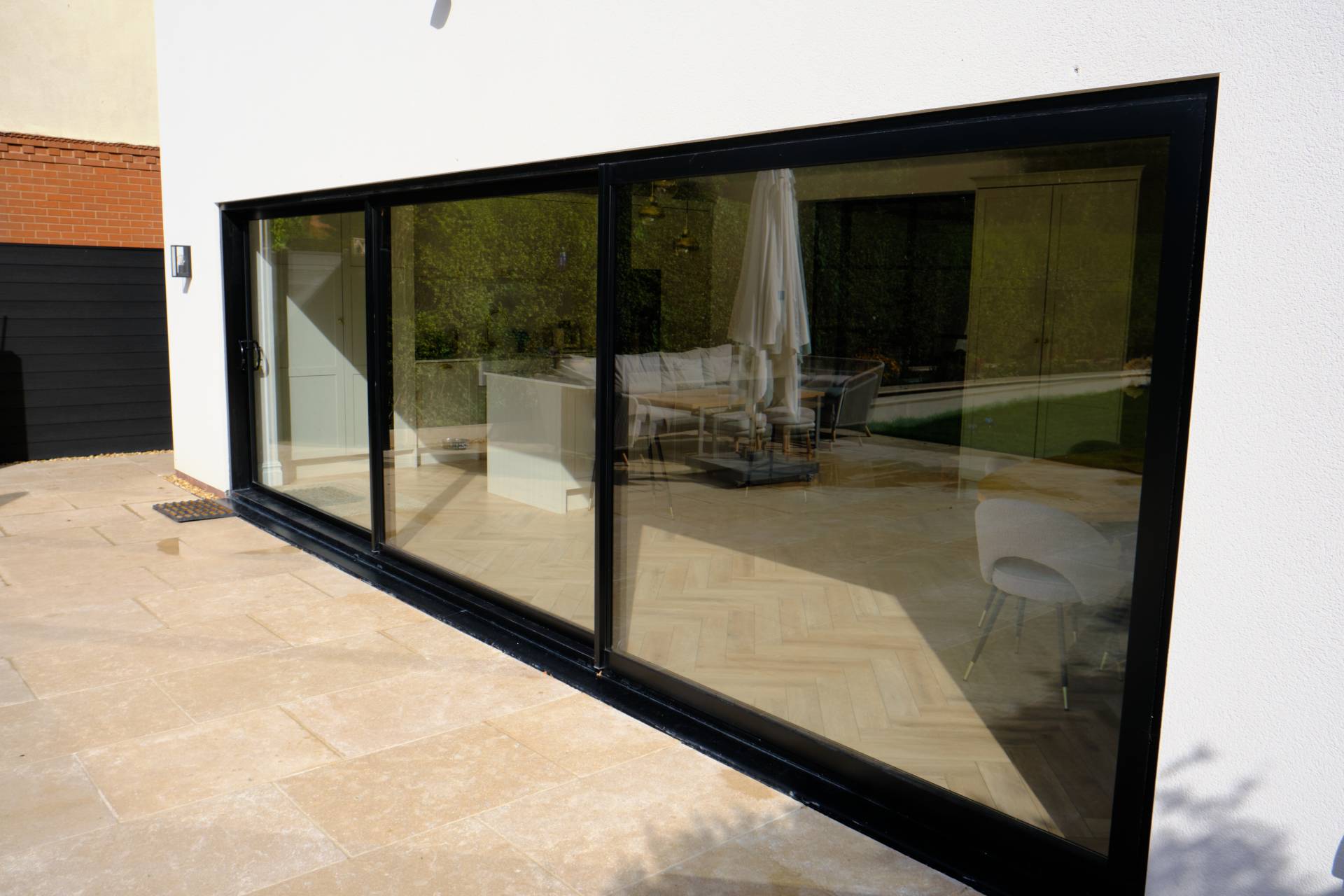
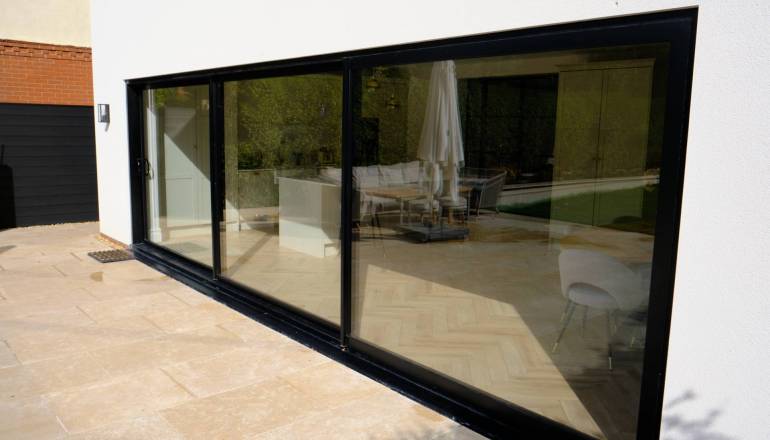
To achieve this contemporary finish, black aluminium sliding doors were installed across the rear of the property. The slim frames allow for larger panes of glass, maximising natural light and creating uninterrupted views of the outdoor space.
The black finish provides a strong visual contrast against the lighter tones of the building, helping to define the rear elevation as a more modern living area. Sliding doors were also chosen for their practicality, offering smooth operation and making it easy to open the home up during warmer months.
This combination of design and function helps the rear of the property feel connected to the garden while maintaining a modern appearance.
A balanced approach to design
What makes this project particularly successful is the way both design approaches work together. Rather than forcing a single style throughout the property, each elevation has been treated according to its purpose and setting. The front of the home remains in keeping with its traditional character, while the rear introduces a more contemporary way of living focused on light, space, and usability. Together, they create a home that feels considered, practical, and well suited to modern family life.